
More than 5 billion people now use social media worldwide — roughly 60% of the planet, according to DataReportal’s Digital 2024 report. The audience is there. The hard part is getting noticed without burning your budget on ads alone.
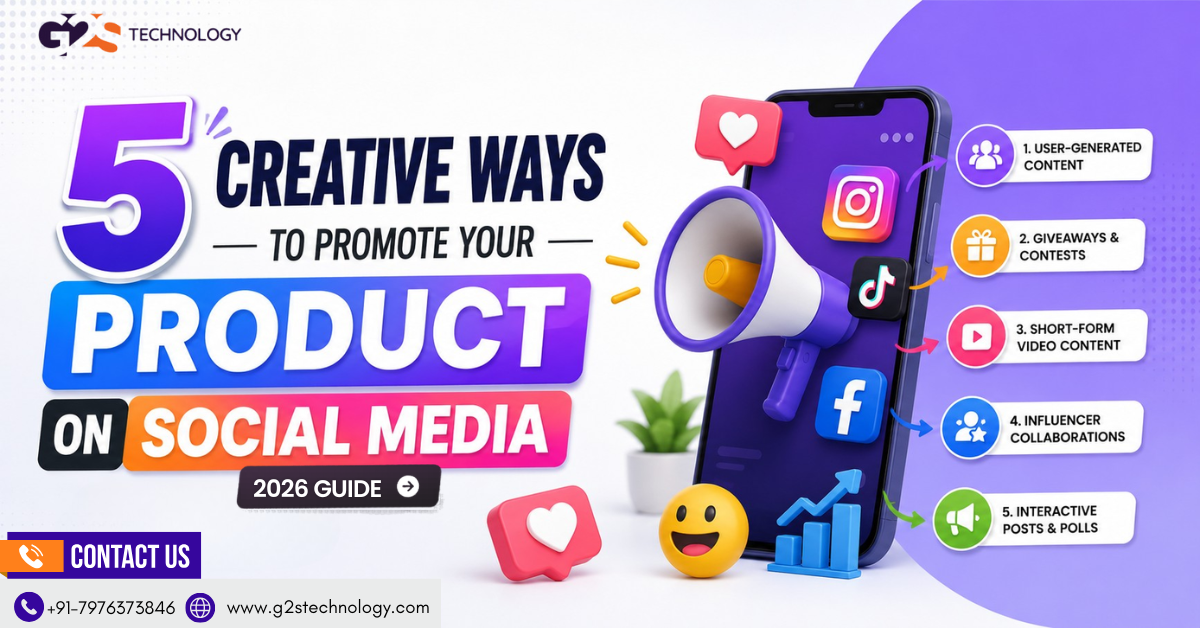
This guide covers five creative, low-cost ways to promote a product on social media that still work in 2026 — what each tactic is, why it works, and exactly how to run it. No vague theory, just methods you can apply this week.
Why Creative Promotion Beats Plain Advertising
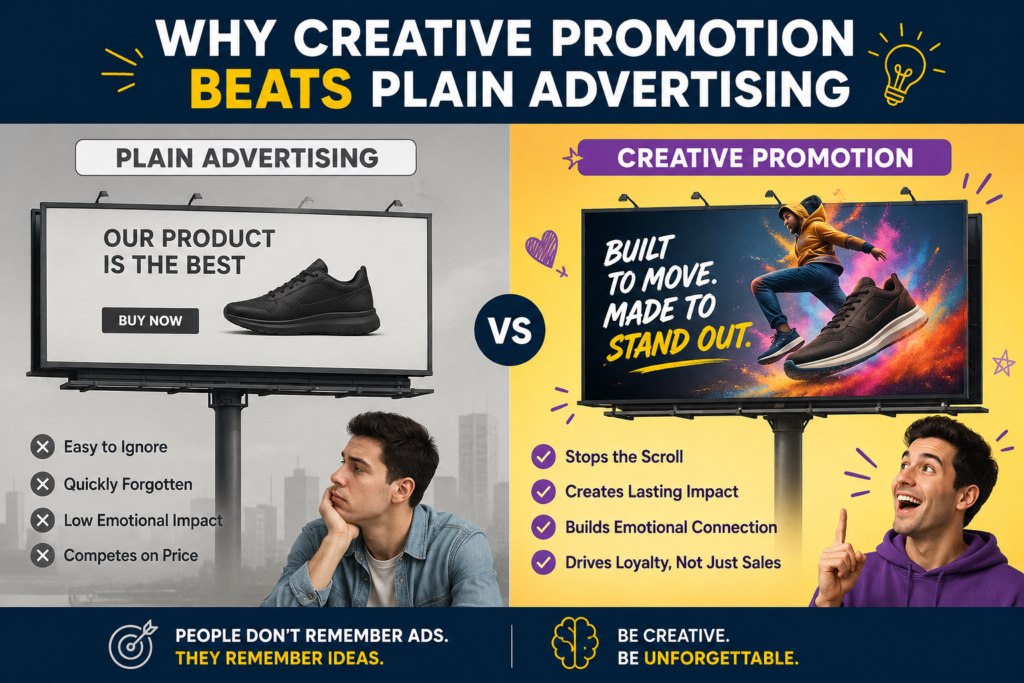
Creative social media promotion means earning attention through value, interaction, and trust rather than paying for every impression. It matters because organic reach keeps tightening and audiences increasingly tune out content that looks like a straight ad.
The brands that win treat social platforms as a place to impact people, not just impress them. Understand your audience first; the tactics below only work when they’re aimed at the right people. Here are the five that consistently deliver.
1. Run Social Media Contests to Capture Attention
A social media contest is a campaign where you offer a prize in exchange for participation like following, tagging, sharing, or creating content. It’s one of the fastest ways to drive attention to a new or unknown product.
Why it works: contests tap into reciprocity and social sharing. A well-known example is Domino’s National Pizza Day giveaway, which asked users to like, tag a friend, and share their order — generating over 10,000 comments and useful customer insight.
How to do it well:
- Keep entry simple — one or two easy actions, not five.
- Make the prize genuinely relevant to your product, not a generic gadget.
- Check each platform’s promotion rules before you launch.
- Partner with a complementary brand to double the prize and reach.
2. Use Social Proof to Build Trust
Social proof is evidence that other people value your product — reviews, testimonials, ratings, and user-generated content. It works because buyers trust other buyers far more than brand messaging.
Research consistently shows people rely on others’ experiences when deciding what to buy, a principle documented in studies of social proof on Wikipedia. On social media, that translates into real sales influence.
How to do it well:
- Repost customer photos and videos using your product (with permission).
- Turn five-star reviews into simple, branded story graphics.
- Ask happy buyers for short video testimonials in exchange for a small bonus.
- Share milestone stats honestly, e.g. “over 500 orders this month.”
3. Run Deals and Promo Codes
Deals and promo codes are time-bound discounts shared through social posts, stories, or bios. They work because urgency and exclusivity push people who were merely interested toward actually buying.
This tactic performs especially well for newly launched products, where the goal is fast trial. “Share to earn” mechanics — where a discount unlocks after a share — add a built-in distribution loop.
How to do it well:
- Set a firm, visible deadline so the urgency is real.
- Use platform-native tools like countdown stickers.
- Give early buyers a bonus to reward fast action.
- Track redemptions with unique codes so you know what worked.
4. Advertise to Extend Your Reach
Paid social advertising uses platform ad managers to put your product in front of targeted audiences beyond your existing followers. It matters because organic reach alone rarely scales — most posts reach only a fraction of your audience.
Platforms like Facebook, Instagram, and Pinterest let you target by interest, behavior, and lookalike audiences. Their own Meta Business advertising resources outline how to structure campaigns by objective.
How to do it well:
- Choose one clear objective — traffic, leads, or sales.
- Define a tight audience using customer data or interests.
- Test 2–3 creatives with a small budget before scaling.
- Send clicks to a fast, message-matched landing page.
- Track CTR, cost per acquisition, and return on ad spend.
5. Promote Inside Social Media Communities
Social media communities are niche groups on platforms like Facebook, LinkedIn, Reddit, or Discord where members already share an interest. Promoting here works because the audience is pre-qualified — they care about your category.
The catch: communities reward contribution, not pitching. Lead with genuinely useful answers and transparency about who you are; promotion that feels extractive gets removed fast.
How to do it well:
- Join groups truly relevant to your niche and read the rules first.
- Build credibility by answering questions before sharing your product.
- Be transparent that it’s your product when you do mention it.
- Track which communities send engaged traffic, and focus there.
Also Read This :- 10 Essential Factors That Still Move Rankings
How to Combine These Tactics
These five methods compound when sequenced well. A practical rollout:
- Launch a contest to build initial awareness and followers.
- Collect and reshare the social proof that contest generates.
- Layer in a limited promo code to convert that warm attention.
- Use paid ads to scale whichever post performs best organically.
- Nurture ongoing demand inside relevant communities.
A limitation worth stating plainly: results vary by product, audience, and budget, and no single tactic guarantees sales. Consistency and audience understanding matter more than any one trick. For broader context, see our social media marketing services, explore our full digital marketing services, or read our related guide on digital marketing trends for 2026.
FAQ Section
What is the best way to promote a product on social media?
There is no single best way — the strongest results come from combining tactics. Contests build awareness, social proof builds trust, promo codes drive conversions, and paid ads scale reach. Start with the goal you need most and layer the others over time.
How can I promote my product on social media for free?
Free tactics include running simple contests, resharing customer testimonials and user-generated content, and participating helpfully in niche communities. These rely on time and creativity rather than ad spend, though they typically scale more slowly than paid promotion.
Do social media contests actually work for small businesses?
Yes, when designed well. Contests work best with simple entry rules, a prize relevant to your product, and clear platform-compliant terms. They are especially effective for new or unknown products that need fast attention.
What is social proof in social media marketing?
Social proof is evidence that other people value your product, such as reviews, testimonials, ratings, and user-generated content. It works because buyers trust other buyers more than brand advertising, which makes it a powerful trust-building tool.
How much should a small business spend on social media ads?
Many small businesses start with a modest test budget, run 2–3 creatives, and only scale spend once they see which platform and creative perform best. The right amount depends on your margins, objective, and how well your funnel converts.
Is it okay to promote products in social media groups?
Yes, but only if you contribute value first and follow each group’s rules. Communities reward helpful, transparent participation and quickly remove members who only post promotions.
How do I measure if social media promotion is working?
Track metrics tied to your goal: engagement and follower growth for awareness, click-through rate and traffic for interest, and conversions, cost per acquisition, and return on ad spend for sales. Use unique promo codes and links to attribute results accurately.